
Biological age – more than just a number
Biological age is a term that has become increasingly important in recent years. While our calendar age merely indicates the years of life that have elapsed, biological age reveals much more about our actual state of health and the performance of our body. This is because the ageing process takes place at different rates in different people. Some people still feel fit as a fiddle at the age of 60, while others already have health problems at 40.
Biological age takes into account many factors such as lifestyle, genes, epigenetic markers and the condition of organs and blood vessels. Habits such as exercise, diet, alcohol consumption, smoking and dealing with stress are crucial. If you eat a balanced diet with plenty of fruit and vegetables, exercise regularly, do not smoke and do endurance sports such as running or swimming, you can have a positive influence on your biological age.
However, genetic predispositions, obesity, diabetes or high blood pressure can also have an influence on biological ageing. Modern biomarker analyses from a blood sample can provide information about the condition of the immune system, blood vessels, organs and cellular processes. This makes it possible to reliably determine an individual’s biological age.
Difference between biological and calendar age
The calendar or chronological age merely refers to the number of years that have elapsed since birth. It is a pure indication of time that serves to organise social processes such as school entry, coming of age and retirement age. From a gerontological point of view (gerontology is the science of the process of ageing and old age as a phase of life), however, calendar age is not very meaningful as it does not take into account the major inter-individual differences in the ageing process.
In contrast, biological age describes the actual physical condition and performance of a person, regardless of calendar age. It refers to age-related physical changes and degradation processes in organs, tissues and cells. Genetic factors, lifestyle and environmental influences can cause the biological age to deviate upwards or downwards from the calendar age.
While calendar age progresses continuously, biological age can be positively influenced by a healthy lifestyle. Regular exercise, a balanced diet, avoiding stress and refraining from risk factors such as smoking and alcohol can slow down the ageing process. On the other hand, unfavourable living conditions and behaviour can lead to accelerated biological ageing.
It is therefore important to know your own biological age in order to be able to take preventative health measures at an early stage.
Factors that influence biological ageFactors that influence biological age
Biological age is influenced by a variety of internal and external factors. The most important of these include
- Genetic factors
Genes play a decisive role in the ageing process. Certain gene variants can cause some people to age faster or slower. For example, there are genes that regulate metabolism, cell repair and the maintenance of telomere length. - Epigenetic imprints
In addition to the genes themselves, epigenetic marks have a major influence on gene activity and therefore on ageing processes. Epigenetic patterns can be altered by environmental and lifestyle factors such as diet, stress or smoking. - Lifestyle
Lifestyle is one of the most important factors that can be influenced. Sufficient exercise, endurance sports, a healthy, nutritious diet with plenty of fruit, vegetables and fibre as well as stress reduction can slow down the ageing process. Risk factors such as smoking, obesity, high alcohol consumption and lack of exercise, on the other hand, accelerate biological ageing. - State of health
Chronic diseases such as diabetes, high blood pressure, cardiovascular diseases and cancer can lead to an increase in oxidative stress and inflammation, which promotes the ageing process. Overweight and obesity are also considered a risk of ageing. - Environmental factors
Pollutants, UV radiation and air pollution can cause cell damage through the formation of free radicals and thus accelerate the ageing process. Psychosocial factors such as prolonged stress also have a negative impact.
A healthy lifestyle and the avoidance of risk factors can have a positive influence on biological age. Regular biomarker analyses can provide information about the individual ageing process.
How can biological age be determined?
There are various methods for determining a person’s biological age relatively accurately. The most meaningful methods are based on biomarker analyses of body fluids such as blood, saliva or urine.
- Epigenetic watches
The most precise method currently available is the analysis of epigenetic markers from a blood or saliva sample. Epigenetic markers are biochemical tags on genes that control whether and to what extent they are read. Certain patterns of these markers change systematically in the course of the ageing process. - Gene analyses
Another possibility is to analyse genes that are associated with the ageing process. These include genes that regulate metabolism, cell repair and the maintenance of telomere length. Biological age can be deduced from the pattern of gene variants and mutations. - Biomarker panels
Instead of relying on individual markers, panels of different biomarkers can also be used to accurately determine age. These include, for example, proteins that provide information about the condition of individual organs such as the heart, lungs, liver or brain. The biological age of these organs can be calculated from their concentration in the blood and the combination of various biomarker analyses from blood, saliva or urine thus provides a comprehensive picture of the biological age and condition of the entire body. Regular analyses can also provide information on how lifestyle factors affect the ageing process.
What role does nutrition play in biological age?
Diet has a major influence on the ageing process and biological age. A balanced, nutritious diet can slow down the ageing process, while an unhealthy diet can speed it up.
- A nutrient-rich diet slows down the ageing process
A diet rich in fruit, vegetables, wholemeal products, nuts, pulses and healthy fats such as olive oil can slow down biological ageing. These foods provide important vitamins, minerals, fibre and phytochemicals with antioxidant and anti-inflammatory effects, especially vitamins C and E and carotenoids from fruit and vegetables, which can prevent oxidative stress and cell damage that accelerate the ageing process. Fibre from wholemeal products also promotes healthy intestinal flora, which has a positive effect on the immune system and detoxification. - Calorie restriction can reverse the ageing process
Some studies suggest that a temporary calorie restriction of 20-30% can not only slow down the ageing process, but can even reverse it. The reduction in food stimulates cellular repair mechanisms and dampens inflammatory processes, but permanent, severe calorie restriction is a health risk. Moderate forms such as 16:8 intermittent fasting or the 5:2 diet are better tolerated and, according to studies, could have similar effects on biological ageing. - Harmful effects of sugar and fat
On the other hand, dietary patterns high in sugar, saturated fats, convenience foods and meat accelerate the ageing process. They promote inflammation, oxidative stress and damage to cells and blood vessels. Overweight and obesity are also considered to be risk factors for advanced biological ageing, which shows that a plant-based diet with plenty of fruit and vegetables, wholemeal products and healthy fats is one of the keys to healthy biological ageing.
Mediterranean diet as protection against cardiovascular disease?
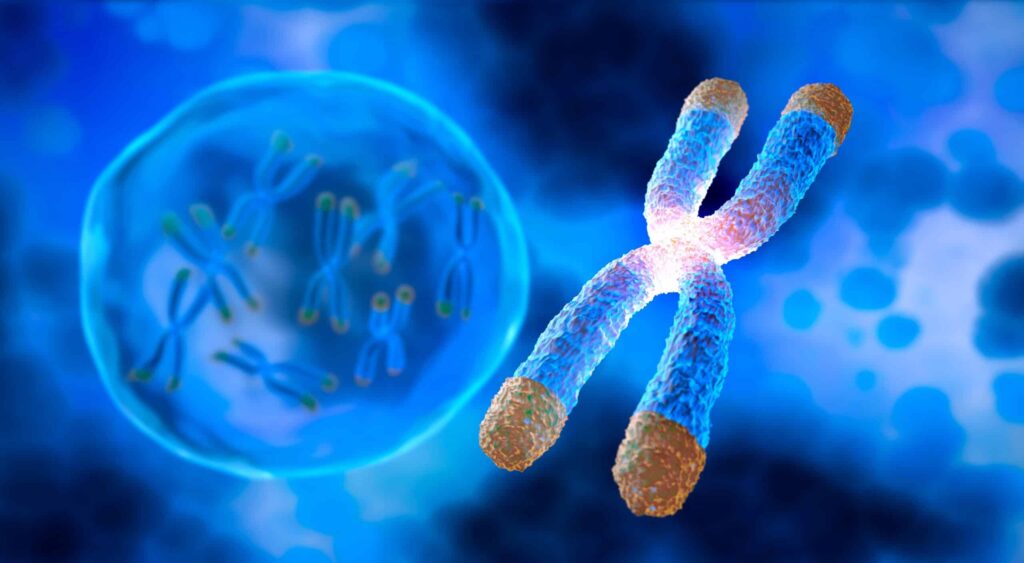
A study published in 2014, with 521 participants aged between 55 and 80, investigated the relationship between a genetic variant (Ala allele) in the PPARγ2 gene, telomere length (TL) and adherence to a Mediterranean diet (MeDiet) in people at high cardiovascular risk. Telomeres are protective caps at the ends of chromosomes that shorten with age. Shorter telomeres are associated with age-related diseases and increased cardiovascular risk. The study found that adherence to a MeDiet for 5 years prevented telomere shortening and even led to telomere lengthening in carriers of the Ala allele, whereas this effect was not observed in individuals without the Ala allele.
In addition, adherence to MeDiet was associated with greater telomere elongation in Ala carriers. These results suggest that the Ala allele in the PPARγ2 gene in combination with a MeDiet could have a protective effect against cardiovascular disease and contribute to longevity by promoting telomere maintenance.
Would you like to determine your biological age?
Would you like to determine your biological age? Our laboratory carries out a comprehensive genetic analysis that specifically targets the genes that influence the length of telomeres. The scientific analysis shows which genetic abilities exist to maintain telomeres. On this basis, we draw logical conclusions for personalised recommendations to slow down the degeneration of telomeres. The result is a detailed written report that provides research insights and suggests concrete measures to reduce biological age and support optimal cell renewal.
We also offer personalised nutritional supplements.
Questions about genetic analyses or a partnership with Novogenia? Write to us – we will get back to you.
Contact us →More genetics know-how →